by Billy Kepner | Oct 3, 2020 | Council News, Press Release, Ward-4
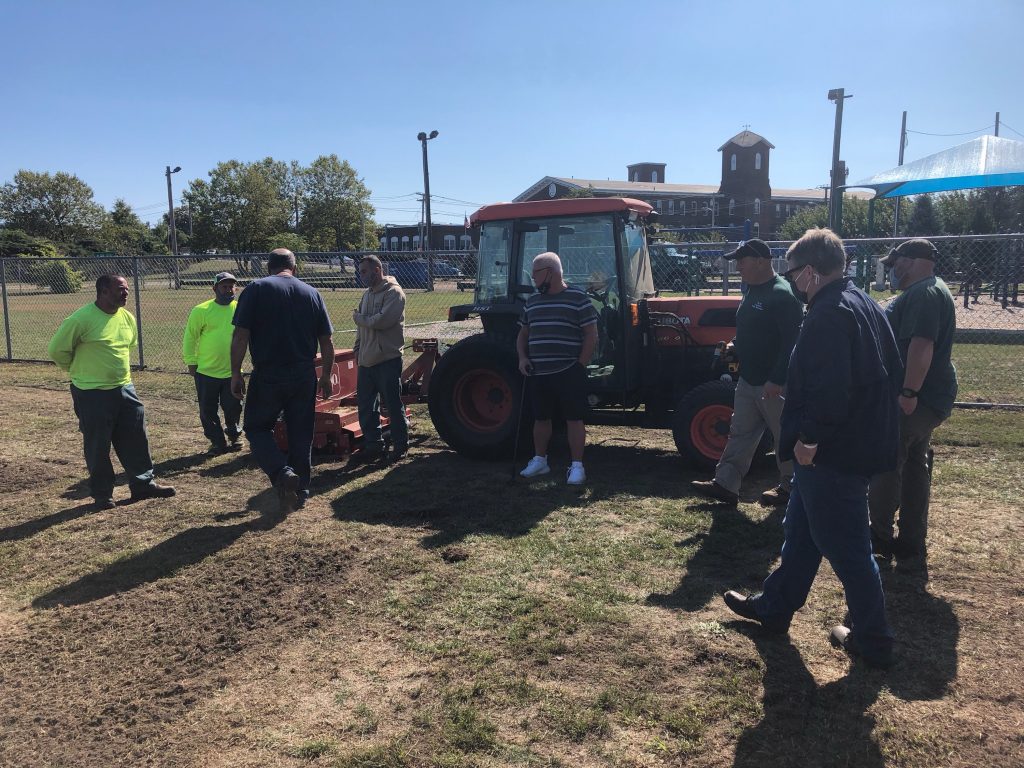
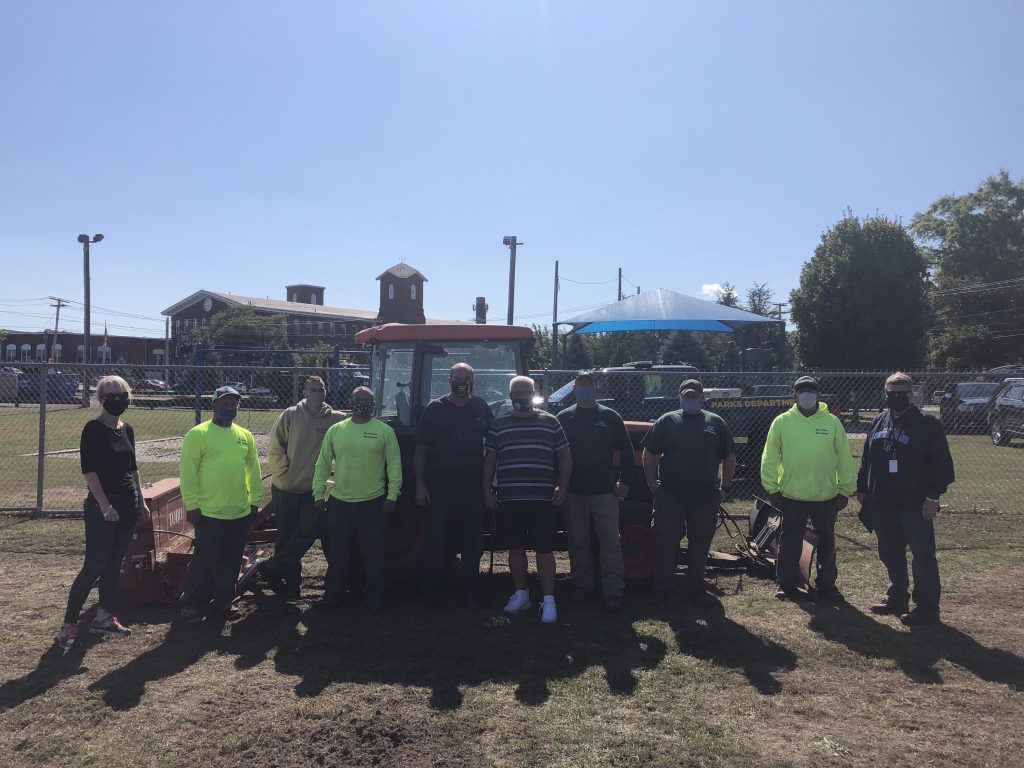
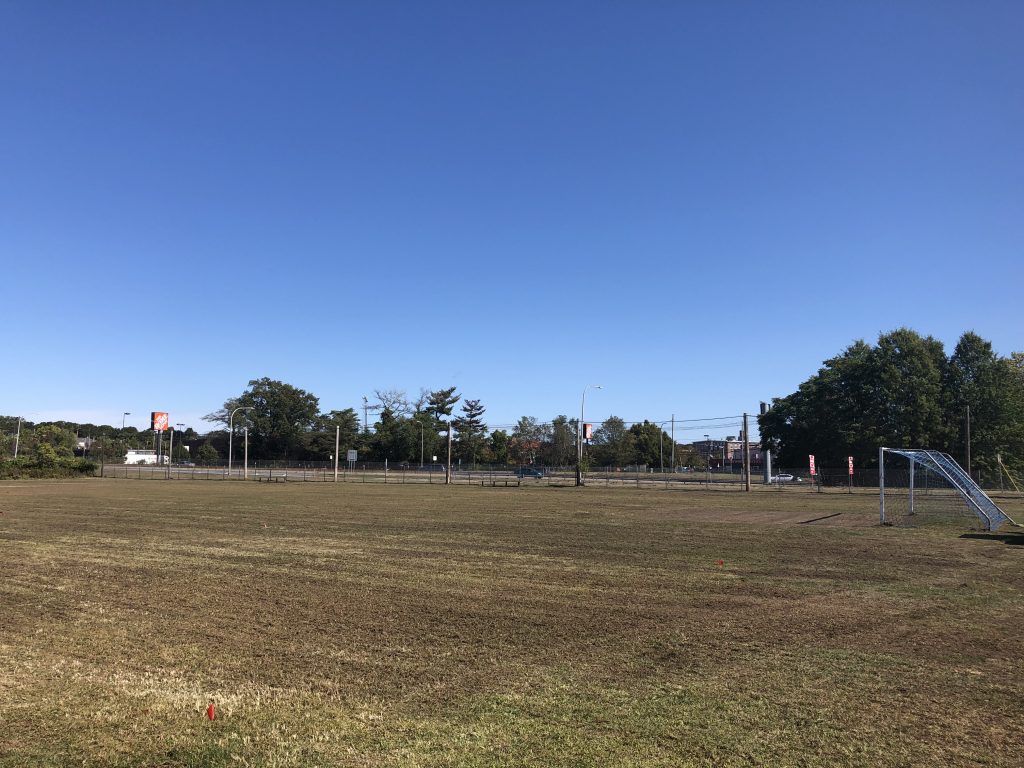
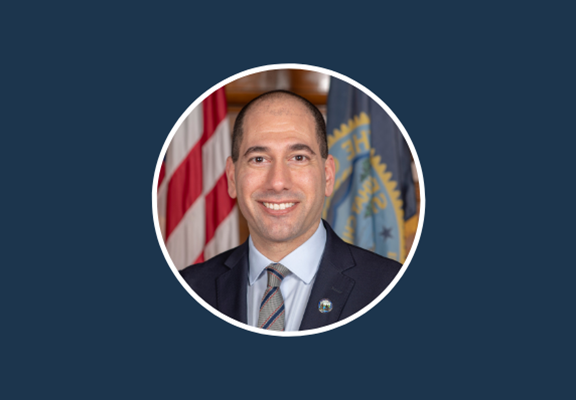
Senior Deputy Majority Leader Nicholas J. Narducci Jr. (Ward 4) today was on site where work was completed on the Hopkins Field Restoration Project.
“Today, I joined Superintendent of Parks Wendy Nilsson, Deputy Superintendent of Parks Brian Byrnes, Supervisor Joe Salem, and several members of the Parks Department to see the completion of the Hopkins Field Restoration project ” stated Senior Deputy Majority Leader Nicholas J. Narducci Jr. “Our Parks Department is second to none, and they worked very hard to make sure that Hopkins Field was restored and will soon be available for our neighborhood athletes, young and old.”
The work performed today for the turf renovation at Hopkins Field included thatching, aerating, slice seeding, top dressing, and over-seeding the entire area. Eight members of the Parks Department worked for more than eight hours to complete this renovation.
Materials included 800 lbs. of seed and 20 yards of screened loam. In addition, tractors were used to aerate, thatch, and over-seed the field. Careful care and concept were used in this operation to ensure that the field will start to germinate in five to seven days. Please note that sprinklers are scheduled to run three times per day to keep the area moist which is necessary for seed germination.
Senior Deputy Majority Leader Narducci continued, “I want to extend my sincere gratitude to Wendy, Brian, Joe, and all the members of the Parks Department for their hard work and dedication to making sure that our neighborhood parks and green spaces are so expertly cared for. We are lucky to have such dedicated individuals who are willing to give up their Saturday to make Ward 4 shine. Thank you to one and all.”
by Abigail Appel | Oct 1, 2020 | Council News, Press Release, Ward-1, Ward-10, Ward-13, Ward-14, Ward-2, Ward-3
At tonight’s City Council meeting, Councilor David A. Salvatore (Ward 14) proposed a resolution requesting that the Department of Public Works create an online application process for overnight parking permits in the City of Providence. This resolution has been co-sponsored by Councilor Rachel Miller (Ward 13), Councilwoman Helen Anthony (Ward 2), Councilman Pedro Espinal (Ward 10), Councilman John Goncalves (Ward 1), and Councilwoman Nirva LaFortune (Ward 3).
“The Department of Public Works is tasked with providing efficient, cost-efficient and high-quality services to Providence residents. The current overnight parking application process is just not meeting that standard. An online process would be safer, more efficient, and will hopefully increase compliance with overnight parking regulations in our City,” stated Councilor David Salvatore.
Overnight parking permits allow residents to park on selected residential streets overnight. Currently, the Department of Public Works requires applications for these permits to be filed in person. Due to COVID-19, in-person interactions have become an inconvenience and risk for both residents and City personnel.
“Many residents in Ward 13 rely on overnight-parking permits to ensure that they can safely and legally park their car on residential streets. This is a necessary City service for constituents without ample parking at their residence, which is a reality for many city dwellers. However, the process for obtaining a permit has become burdensome within the context of the COVID-19 pandemic. This resolution offers a safer, easier way to obtain a permit,” stated Councilor Rachel Miller.
COVID-19 has prompted many City services to transition to remote access, and many City resources are available online. While the overnight parking permit application is available to download online, the application must be submitted in person at the Traffic Engineering Building (700 Allens Avenue) or at the Municipal Court located at the Public Safety Complex (325 Washington Street).
“Current circumstances have forced us to re-evaluate our old ways of doing business. In many cases, this has helped municipalities find more efficient ways to serve their constituents. I believe that this initiative to move the overnight parking permit application process online will better serve the community and will make the process simpler for the Department of Public Works,” added Councilor David Salvatore.
Upon passage, copies of this resolution will be shared with Mayor Jorge Elorza and the Department of Public Works.
by Abigail Appel | Oct 1, 2020 | Council News, Press Release, Ward-1, Ward-10, Ward-11, Ward-12, Ward-13, Ward-14, Ward-15, Ward-2, Ward-3, Ward-4, Ward-5, Ward-6, Ward-7, Ward-8, Ward-9
The City Council voted this evening to pass a change to the Code of Ordinances, giving authority to the Providence Redevelopment Agency (PRA) to borrow up to $20-Millon to capitalize the Providence Affordable Housing Trust Fund (Fund). The Council’s Committee on Ordinances, chaired by Majority Leader Jo-Ann Ryan (Ward 5), moved for full council approval of the amendment to the Code of Ordinances at their meeting on Tuesday, September 22, 2020.
“The City Council is making a historic and meaningful commitment to addressing the shortage of affordable housing,” stated Majority Leader Ryan. “The Fund was created by the City Council in 2019, in collaboration with its affordable housing partners, earmarking 10% of all TSA payments to provide the basis for the Fund. The $20 Million is anticipated to make up to 1,500 affordable homes possible in the next three years for Providence residents. The Fund is intended to provide critically needed gap financing to encourage the production, preservation, and protection of affordable housing. I want to thank Deputy Majority Leader Mary Kay Harris, my fellow committee members, our affordable housing partners, City finance teams, and Council colleagues past and present for their hard work on this important topic.”
“Affordable housing is a basic human right,” stated Deputy Majority Leader Mary Kay Harris (Ward 11). “I have been working on equity in housing for far too long, and this is the first major investment that I have seen made to address the issue in our City. I want to thank my Council colleagues for supporting this measure and their steadfast dedication to ensuring that we do all we can to address this pressing need. During the Fane Tower hearings, many residents spoke up and spoke loudly about the need for affordable housing, and I heard them. As we live through this pandemic, where so many are out of work, and where housing insecurity is coming into full focus, I am beyond proud that this body has acted and can take such a monumental step for our residents.”
The change to the Code of Ordinances approves the Providence Redevelopment Agency (PRA) to seek a bond of up to $20 Million to capitalize the Council’s Affordable Housing Trust Fund. The Fund, created in 2019, is an important City Council initiative that ensures that developers seeking tax relief are also investing in the City through their Tax Stabilization Agreements (TSAs). These agreements provide a structured tax phase-in for large scale development in the City and include specific clauses whereby the developer must invest into the Affordable Housing Trust Fund, the Parks and Recreation Trust Fund, and meet a host of other obligations. Ten percent of the TSA’s total estimated value must be deposited into The Fund, which is managed by the PRA.
City Council President Sabina Matos stated, “TSAs are an integral part of growing our City and our tax base. Yet, it is imperative that developers also invest in the community. When we created the Affordable Housing Trust Fund, we did so to ensure that our investors were putting skin in the game and that we were creating a dedicated funding stream to create much needed affordable housing units in Providence. By moving forward with this ordinance to allow capitalization of The Fund, we will be able to do just that. I want to thank Deputy Majority Leader Mary Kay Harris for her tenacity in shepherding this important legislation through the Council.”
The additional bond funding could allow for nearly 1,500 affordable housing units to be added to the City’s housing stock. The PRA will mandate that all rental units created through this program be rented at 80 percent or less than the area median income (AMI) and no more than 120 percent of the AMI for multi-family homes. This funding is intended to be used as gap dollars to help fulfill the needs of developers and our housing partners, like local Community Development Corporations, to achieve their goal of creating affordable housing units throughout Providence.
Executive Director Jennifer Hawkins of One Neighborhood Builders stated, “Housing stability is the greatest economic challenge our residents face. Now more than ever, we need to ensure families and residents, despite their income, have access to safe, quality housing they can afford. Affordable housing promotes neighborhood stability and enables families and residents to thrive.”
“We are excited to see the City taking such an important step to support the production of much-needed affordable housing in Providence,” said Carol Ventura, Executive Director of RIHousing. “Many funding programs are over-subscribed, leaving developers searching for additional funds to close the gap and move projects forward. This new funding stream will be critical to creating and preserving affordable homes, spurring economic activity and creating jobs.”
This change to the Code of Ordinances will dramatically impact the community and our ability as a City to ensure that affordable housing can be developed and that residents can live and work in Providence without being house burdened.
by Abigail Appel | Oct 1, 2020 | Council News, Press Release, Ward-13, Ward-4, Ward-6
Councilman James E. Taylor (Ward 8) will introduce an Ordinance that requests the City of Providence and the City Tax Collector to suspend all tax sales for this fiscal year (July 1, 2020 – June 30, 2021) at this evenings City Council meeting. The Ordinance is co-sponsored by President Pro Tempore Michael Correia (Ward 6), Senior Deputy Majority Leader Nicholas J. Narducci Jr. (Ward 4), and Councilor Rachel Miller (Ward 13).
As of yesterday, 8,344 Providence residents have tested positive for the COVID-19 virus. Due to this ongoing global pandemic small businesses are shuttering, unemployment rates are still at high levels, and housing insecurity is becoming a greater risk for residents.
“As a City, we have an obligation to our residents to protect their interests, and with so many residents out of work, they have to make choices between food, mortgage, and taxes. Although we are asking the Tax Collector to suspend tax sales, nothing in this Ordinance shall in any way impact the Collector’s ability to collect interest on unpaid taxes as prescribed by law. Our residents and our neighbors need some relief, and the fear of losing their home to a tax sale is a relief that we as a City can provide,” stated Councilman James E. Taylor.
A property is subject to a “tax sale” when the taxes are seriously delinquent, and the city asks an interested third party to pay the taxes. In exchange for the payment, the city puts a tax lien on the property in favor of the party who paid the taxes. The property owner has a year and a day to pay the third party the back taxes and fees. If they cannot, the third party has the right to take title to the property through the court. The proceeding is called “foreclosing the right of redemption.”
Council President Pro Tempore Michael Correia stated, “Although we know the City is facing serious financial difficulties, we need to put the needs of our residents first. We don’t yet have a budget for this fiscal year and continue to operate on the previous year’s budget. Tax sales do provide some relief to the budget, but it’s very small. The City will be made whole in the following fiscal year, and residents will have the time they need to find the financial assistance they may need to keep their properties.”
The proposed Ordinance being presented tonight would suspend all authority for a tax sale pursuant to the Providence Code of Ordinances. While the Collector may utilize his state-mandated authority to still move forward with a tax sale for the current fiscal year, the passage of this ordinance removes all authority granted to the Collector by the Council to do so.
“Last year only 100 residential properties were part of the fiscal year 2020 tax sale,” stated Senior Deputy Majority Leader Nicholas J. Narducci Jr. “Residents have a year and a day to pay the back taxes and fees to retain ownership, but during these uncertain financial times we need to help where we can. I hope the Collector and the City will agree that we can delay a tax sale by one year to provide homeowners the time they need to pay their back taxes and provide the security that these residents need.”
Councilor Rachel Miller shared, “I have spoken to many residents who have lost their jobs due to the pandemic. The stimulus of $600.00 that was given weekly to unemployed residents has ended, and with the current COVID-19 aid package stuck in the United States Senate, our neighbors are trying to make ends meet. As an elected leader, I feel we have an obligation to support our residents when we can, and I urge the City and the Collector to consider suspending this year’s tax sale to help keep our residents in their homes without the added fear of losing it due to their inability to pay their taxes.”
The Ordinance will be sent to the Council’s Committee on Ordinances for further review and discussion.
by Abigail Appel | Oct 1, 2020 | Council News, Press Release, Ward-6
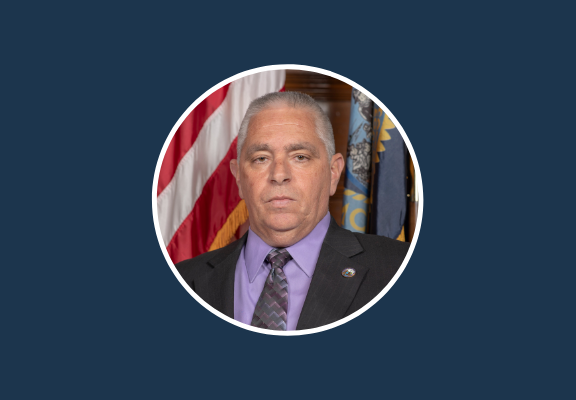
At tonight’s City Council meeting, Council President Pro Tempore Michael Correia (Ward 6) will introduce four resolutions regarding neighborhood improvements in his Ward.
“I continue to fight for important neighborhood upgrades in my Ward. Improvements such as traffic safety measures and small beautification updates, all add up to improving the quality of life in the Manton neighborhood,” stated President Pro Tempore Michael Correia.
The first resolution requests that the City Forester replace trees along Atwells Avenue removed during a sidewalk replacement. The requested trees’ site is between Academy Avenue and Mt. Pleasant Avenue and will help beautify the neighborhood. This particular stretch of street is heavily trafficked, and having new trees planted will play an essential role in air pollution mitigation.
The second resolution requests that the Department of Public Property install a gate at the District 6 Police Substation parking lot entrance.
The third resolution requests the installation of a crosswalk at the Manton Skate Park entrance by the Department of Public Works and the City Traffic Engineer. Pro Tempore Correia recently held a ribbon-cutting ceremony at the newly renovated Manton Skate Park, located at 588 Manton Avenue, and believes that this crosswalk will help keep pedestrians and cyclist safe as they visit the park and the Greenway.
The final resolution, a traffic calming request, calls on the Department of Public Works and the City Traffic Engineer to install additional safety signage along Manton Avenue. Specifically, the resolution requests a “SLOW CURVE” notification along the 800 block of Manton Avenue.
“I look forward to seeing these community improvements completed, and I extend my gratitude to the men and women of the DPW, Public Property, and the Parks Department who collaborate to make our City clean, safe and livable,” added President Pro Tempore Michael Correia.
by Abigail Appel | Oct 1, 2020 | Council News, Press Release, Ward-1, Ward-10, Ward-13, Ward-15, Ward-2, Ward-4, Ward-6, Ward-8
At tomorrow’s City Council Meeting, Council President Sabina Matos (Ward 15) will propose a resolution requesting that Mayor Jorge Elorza and the Providence Board of Licenses create a payment plan option for restaurants and bars looking to renew their liquor licenses for 2021. The resolution is co-sponsored by President Pro Tempore Michael Correia (Ward 6), Senior Deputy Majority Leader Nicholas J. Narducci Jr. (Ward 4), and Councilors Helen Anthony (Ward 2), Rachel Miller (Ward 13), James Taylor (Ward 8), Pedro Espinal (Ward 10), and John Goncalves (Ward 1).
On the first of December each year, any restaurant or bar in the City of Providence with an existing liquor license must apply for a license renewal. This process can cost up to $3,000.00 and is overseen by the Board of Licenses. As the COVID-19 pandemic continues to upset the economy, this large fee could significantly strain many struggling restaurants and bar owners.
“Providence is home to some of the best restaurants in the region. We have seen several restaurants that have had to close their businesses due to the ongoing pandemic. The trickle-down effect of those closures means residents have lost jobs, owners have lost their livelihoods, and in many cases, their dreams. Further, when a business closes, it creates losses in tax revenue for the City. We need to do what we can to support them. Our city is a destination because of our unique and diverse culinary and bar scene. As City leaders, we need to do whatever we can to ease the financial burdens that they are currently facing. I want to thank Brendan McCaughey, who brought this to our attention, and worked with Council Staff to better understand the needs of our license holders,” stated Council President Matos.
“The City of Providence must follow in the footsteps of our neighbors in Warwick and Pawtucket,” stated Council President Pro Tempore Michael Correia. “A liquor license is an integral part of any restaurant or bar operation. As business owners struggle to comply with new guidelines and grapple with financial loss, we must provide avenues for them to remain operational and on sound footing. A phased payment plan will surely help.”
In response to similar challenges, the Cities of Warwick and Pawtucket have already enacted similar plans, allowing license holders to adopt payment plans rather than paying all at once. While the cost will remain the same, this payment plan method aims to make the renewal fee easier to bear.
“It is critical that we take immediate action to support struggling restaurant and bar owners and do what we can to help them remain operational and fluid. This pandemic has affected every aspect of our lives, and our small business community – including restaurants and bars – have been hit hard. The livelihood of many depend on this relief,” stated Councilor Rachel Miller.
Brendan McCaughey, the owner of Nolan’s Pub, stated, “I would like to thank the City Council, in particular, Councilwomen Matos and Miller, for their swift attention to this matter. As the weather turns cold and outdoor seating becomes impractical, many bar and restaurant owners are concerned about how to financially survive the winter. I think I speak for all of my fellow license holders when I say that any payment relief from the City’s license renewal fees will be a tremendous help at a time when some of us desperately need it.”
Upon passage, copies of this resolution will be sent to Mayor Jorge Elorza and the Providence Board of Licenses.