
Housing Hub -> Rent Stabilization

Rent Stabilization
Affordable, predictable, stable, fair.
Disclaimer: Council President Rachel Miller and President Pro Tempore Juan M. Pichardo introduced a rent stabilization ordinance in January 2026. The rent stabilization ordinance passed on April 16, 2026, but was vetoed the following day, April 17, 2026. The City Council was not able to override the veto. The following materials on rent stabilization may not represent the viewpoint of all members of the City Council.
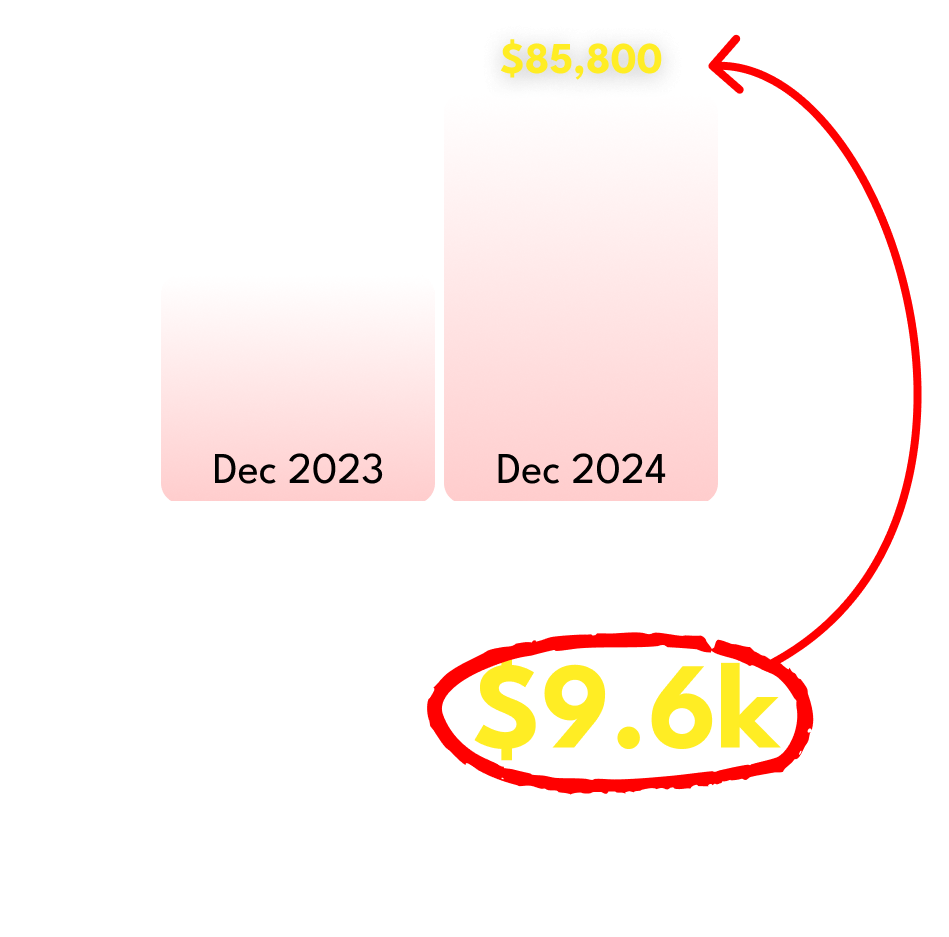
According to a report by Rent.com, rents in Providence rose by 16% from March 2023 to March 2024, pushing many working-class residents out of their homes and contributing directly to displacement and homelessness.
Highlights of Proposed Ordinance
4% Standard Increase
The Rent Stabilization Ordinance would regulate rent prices to a cap of +4% each year.
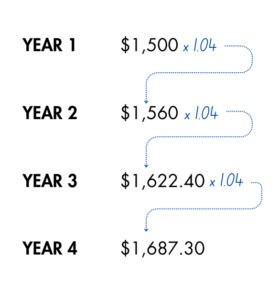
Example of rent increases over four years, with rent stabilization
Currently, rent prices have no regulation.
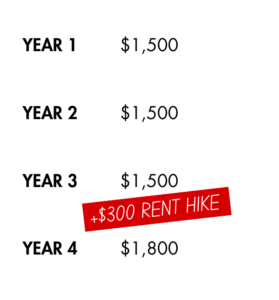
Example of rent increases over four years, without rent stabilization
A 4% cap would protect renters from unplanned rent hikes, giving them the ability to plan for themselves and their families.
Rent Board

The Rent Stabilization Ordinance is written with simplicity, fairness, and balance in mind. However, no single formula can fairly cover every situation.
To make sure landlords and tenants can have any unusual situations heard, a five-member Board will be appointed to process complaints and enforce the tenant protections the ordinance establishes.
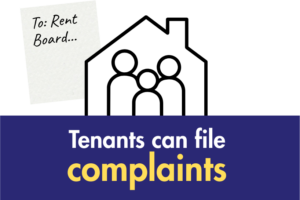
A tenant can file a complaint with the Rent Board if they believe the owner of their home is violating the ordinance.
|
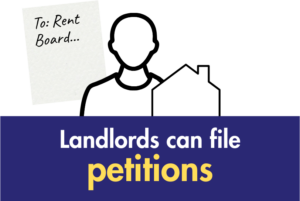
A landlord can file a written petition to the Rent Board if they need to increase rent by more than 4% to achieve a fair return.
|
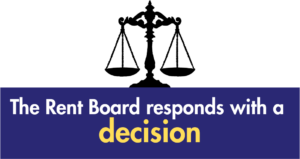
The Rent Board can:
|
Retaliation Protection
Under Rhode Island’s Residential Landlord and Tenant Act, landlords cannot punish tenants for filing complaints or exercising their rights.
The Board can investigate retaliation complaints and impose penalties in accordance with state law requirements.
Fair Rate of Return

The ordinance takes into account a landlord’s vested interest in earning a fair rate of return.
This establishes a standard to ensure property owners have the opportunity to earn enough to:
|
If a landlord believes the allowable rent does not provide a fair return, they may file a petition with the Rent Board for a rent adjustment.
Including in their petition:
|
The Rent Board then decides case-by-case.
|
May grant:
|
|
Possible conditions:
|
A fair rate of return is not a fixed percentage,
It has been set up to recognize that not every situation is the same, but all cases should be determined through a fair and consistent process.
Exemptions

These types of housing are NOT covered by rent stabilization:
|
The owner-occupied exemption removes a significant number of small buildings from regulation while still covering the vast majority of corporate rental housing. And the new construction exemption prevents the ordinance from creating a barrier to increasing the housing supply.
Exceptions

Capital Improvements
Major improvements that extend the building’s life (new roof, heating system, etc.) can justify rent increases over 4%. Landlords may petition the Board, which will spread the cost of the improvement over its useful life. Regular maintenance and repairs don’t count, only substantial upgrades.
Property Tax Increases
If property taxes jump more than 5% in one year, landlords can automatically pass through 50% of the increase of the dollar amount above that threshold. This doesn’t need Board approval but does get verified by staff, and tenants have a chance to contest it.
Vacancy Control

Under this ordinance, when a tenant moves out, the rent remains stabilized. Rent increases are tied to the dwelling unit, not the tenant. A landlord may impose no more than one Standard Increase (up to 4%) per unit in any twelve-month period. This increase may occur at lease renewal or following tenant turnover.
Without good cause eviction protections from the state, vacancy control is intended to prevent landlords from pushing people out of their homes for the sake of raising rents between tenants.
Quick Links
Rent Stabilization FAQs
Rent Stabilization Ordinance with Amendments
With the rent stabilization ordinance now under consideration in City Council, renters may worry about preemptive actions on the part of their landlords. If you are experiencing or are concerned about any of the following, please fill out the following form and Constituent Services will reach out for additional information. You may also reach out by calling (401) 521-7477 or emailing sburnett at providenceri.gov : Renter Concerns Form
